

The first day of school is often talked about as a huge milestone for children, but for many Mums, it can bring a whirlwind of emotions too. In fact, 75% of parents with children under five report intense anxiety regarding their child’s emotional and mental wellbeing as they enter the school system.
One minute you're helping your child put on their uniform for the first time, and the next you're standing outside the school gates wondering where the years have gone. Excitement, pride, anxiety, sadness and even relief can all show up at once. As the new school year begins and families prepare for this new chapter, it's worth recognising that starting school is a significant transition for Mums, as well as children.
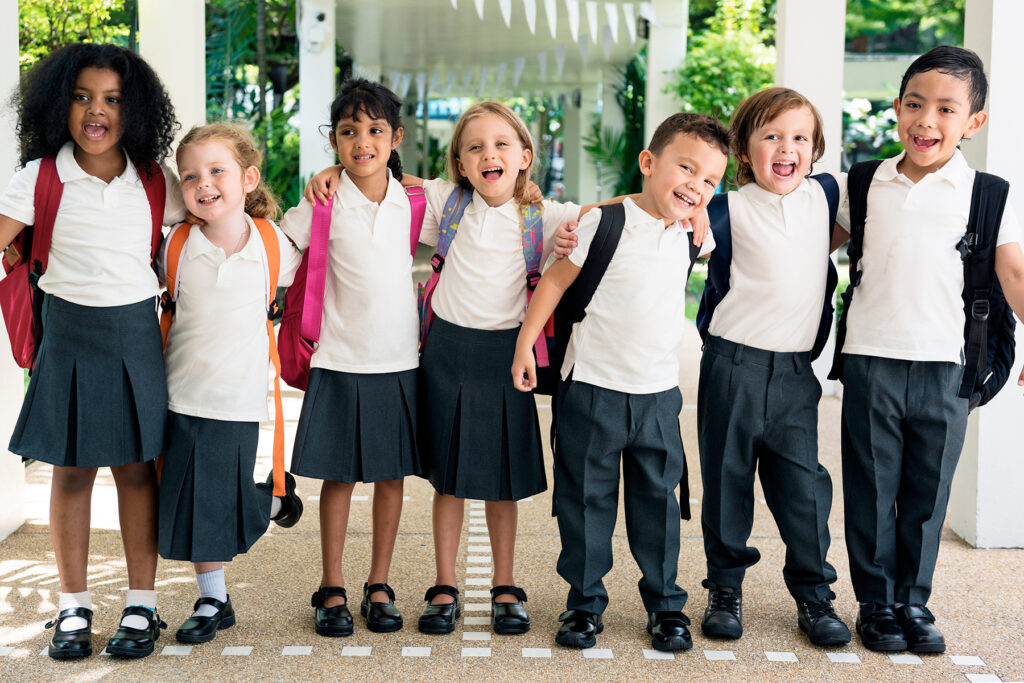
Why the first day of school can feel so emotional for Mums
From the moment your child is born, so much of your routine revolves around them. Whether you've spent years attending baby groups, soft play sessions or organising your week around nap times, school marks the beginning of a completely different stage of family life.
For many Mums, the first day of school feels like the end of an era. It's often the first time a child will spend long periods away from home in a structured environment, and that can bring a genuine sense of loss alongside the excitement.
There's also the pressure that can come with wanting everything to go perfectly. Will they settle in? Will they make friends? Will they enjoy their teacher? These worries are completely normal, even if your child seems more than ready to run through the school gates without a backward glance.
For some Mums, the emotions can be particularly strong if they've been the primary caregiver, are returning to work, or are already juggling other family responsibilities. It's a reminder that parenting is full of milestones, and each one brings its own adjustments.

Preparation brings confidence in the first days of school
A smoother transition often starts well before September arrives, giving parents and children confidence. Children tend to feel more confident when they know what to expect, and preparation can help Mums feel more in control too.
For many, this might have involved:
- Visiting the school beforehand
- Practising the route to school
- Reading books about starting school together
- Establishing consistent bedtimes
- Encouraging your child to talk about any worries or questions
- Letting them practise simple tasks such as putting on their coat or opening their lunchbox
But if it hasn’t looked like this, it’s never too late to guide your child through the transition of starting school. Often, once the term begins, it’s easier to spot the areas they may need more support in. This can be as simple as talking through the day and practicing any of the parts of the school day routine that they may feel less confident in.
It's important to remember that confidence doesn't always look the same in every child. Some may appear excited but become emotional on the day, while others may seem nervous beforehand and settle quickly once they're there.
The same applies to Mums. You don't need to have all the answers or feel positive every second. Acknowledging your own feelings can make the transition easier than trying to ignore them.

Supporting your child’s mental health when they start school (and yours)
Starting school introduces children to new routines, expectations and social situations. While most children adapt well over time, it's natural for there to be some bumps along the way. The same can be said for parents, who find themselves mixing in new social circles, getting used to new routines and juggling family life in a different way.
Building simple habits into routines can be incredibly beneficial for children, while also helping parents to feel more comfortable. This can be as simple as chatting about your day over dinner, reading to your child before bed, or spending one-to-one time each evening to help them feel secure.
Try to focus on listening rather than immediately solving problems. If your child mentions feeling worried or struggling to make friends, knowing they can talk openly with you is often the most valuable first step.
It's also worth remembering that school-related tiredness is common in the first few weeks. New experiences require a lot of emotional and mental energy. Extra patience, earlier bedtimes and quieter weekends can make a real difference.
As Mums, we're often quick to prioritise everyone else's wellbeing, but your own mental health matters too. Children are remarkably perceptive and often take their emotional cues from the adults around them, so don’t forget to look after yourself and cut yourself some slack along the way!

Looking after yourself after the first day of school
One of the less talked-about aspects of the first day of school is what happens after the drop-off.
You may suddenly find yourself with a quieter house than you've had in years. For some Mums, that's a welcome opportunity to catch up on tasks. For others, it can feel surprisingly lonely.
Rather than rushing to fill every moment, give yourself permission to acknowledge the change. It can help to:
- Arrange a coffee with a friend after drop-off
- Go for a walk and enjoy some fresh air
- Start a hobby you've been putting off
- Focus on your own wellbeing appointments or exercise routine
- Spend time reflecting on personal goals beyond parenting
This stage can also create opportunities for personal growth. Many Mums find that as their children gain independence, they begin reconnecting with interests, ambitions and experiences that may have been placed on hold.
The journey from those early parenting days to seeing your child head into the classroom can feel astonishingly quick.
Click here to read one of our recent blogs, speaking about the way that motherhood often evolves alongside our own personal journeys, opening doors to challenges and opportunities we may have never imagined.

The adjustment isn’t only on the first day of school
Although we call it the first day of school, the adjustment period usually lasts much longer than a single morning in September.
The first few weeks often involve new routines, changing friendships, packed lunch negotiations, forgotten water bottles and plenty of tired evenings. It's a learning process for the whole family.
Some children settle immediately, while others take a little longer. Some Mums feel emotional on day one, while others are caught off guard a few weeks later when the reality of the change sinks in.
Try not to compare your experience with anyone else's. Social media can sometimes create the impression that everyone else is handling things perfectly, but every family's journey is different.
What's most important is recognising that mixed emotions are entirely normal. Feeling proud of your child's independence while simultaneously missing the days when they were by your side is simply part of being a Mum.
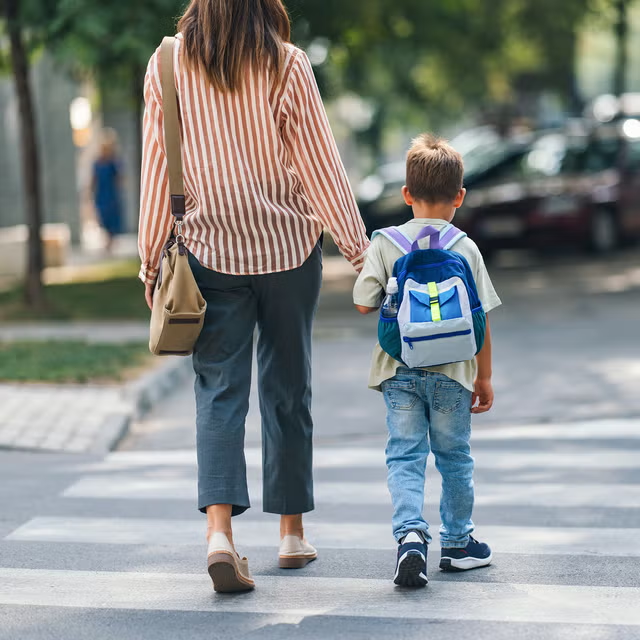
Embracing the next chapter
The first day of school represents growth, not just for children but for Mums too. It's a milestone that highlights how far you've both come.
If you're feeling emotional, know that you're not alone. The tears, nerves, pride and excitement all exist because of the deep connection you've built with your child. That's something to celebrate.
As September continues and your child takes those first steps into school life, be kind to yourself. Give yourself the same reassurance and encouragement you're giving them. This new chapter may feel daunting, but it can also bring fresh opportunities, renewed confidence and moments of pride you never expected.
First day of school FAQ
Absolutely. Many Mums experience strong emotions on the first day of school. It's a major milestone and often marks a significant change in your daily routine. Feeling emotional doesn't mean you're not ready for your child to start school; it simply reflects the bond you've built together.
Preparation is often key. Talking positively about school, reading books about starting school, visiting the school beforehand and practising routines can all help children feel more comfortable with the transition.
Many children become upset at drop-off but settle quickly once they're engaged in classroom activities. Schools are experienced in supporting children through this transition. Maintaining a calm, confident goodbye can often help more than extending the farewell.
Starting school can temporarily increase feelings of anxiety or uncertainty because it's a major life change. Most children adapt well with support, routine and reassurance. If concerns persist or begin affecting daily life, consider speaking with your child's teacher or a healthcare professional.
Give yourself permission to recognise your feelings, stay connected with friends and family, maintain healthy routines and make time for activities you enjoy. If feelings of sadness or anxiety become overwhelming or persistent, seeking professional support is always a positive step.
Read more
For more support, inspiration and advice on motherhood, wellbeing and family life, visit the Mums Can Do Resources Hub.